

Many visitors come to Madeira for the dramatic cliffs, waterfalls and famous viewpoints.
But behind those landscapes is a very different daily reality — especially in rural villages on the north coast.
Life here still revolves around the land, seasonal farming and helping neighbours.
Right now, potato season has started.
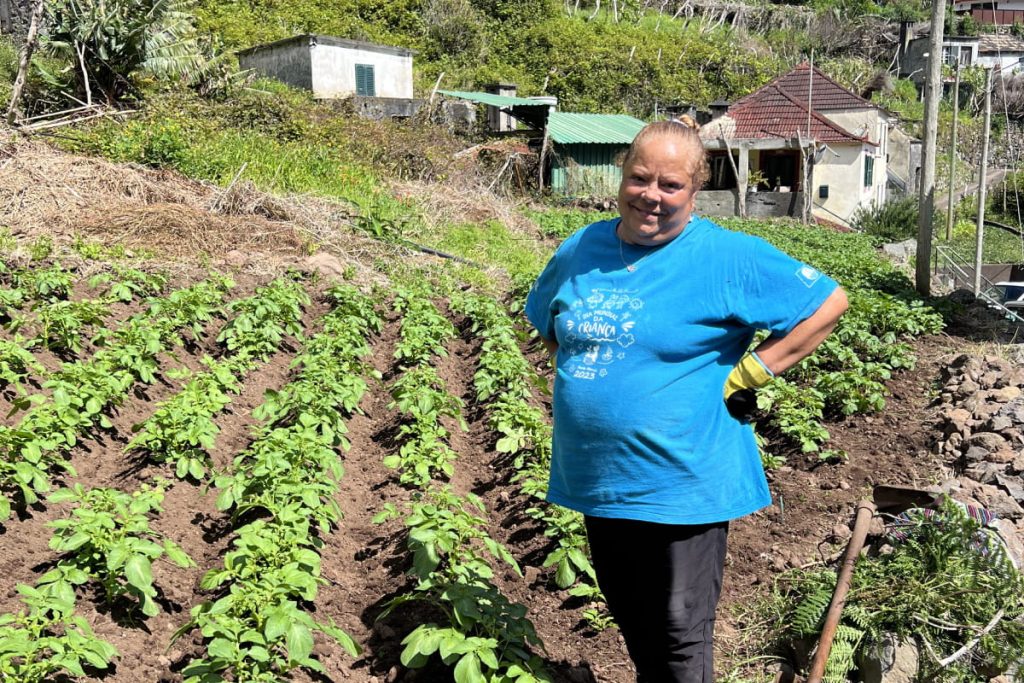
Planting potatoes in April
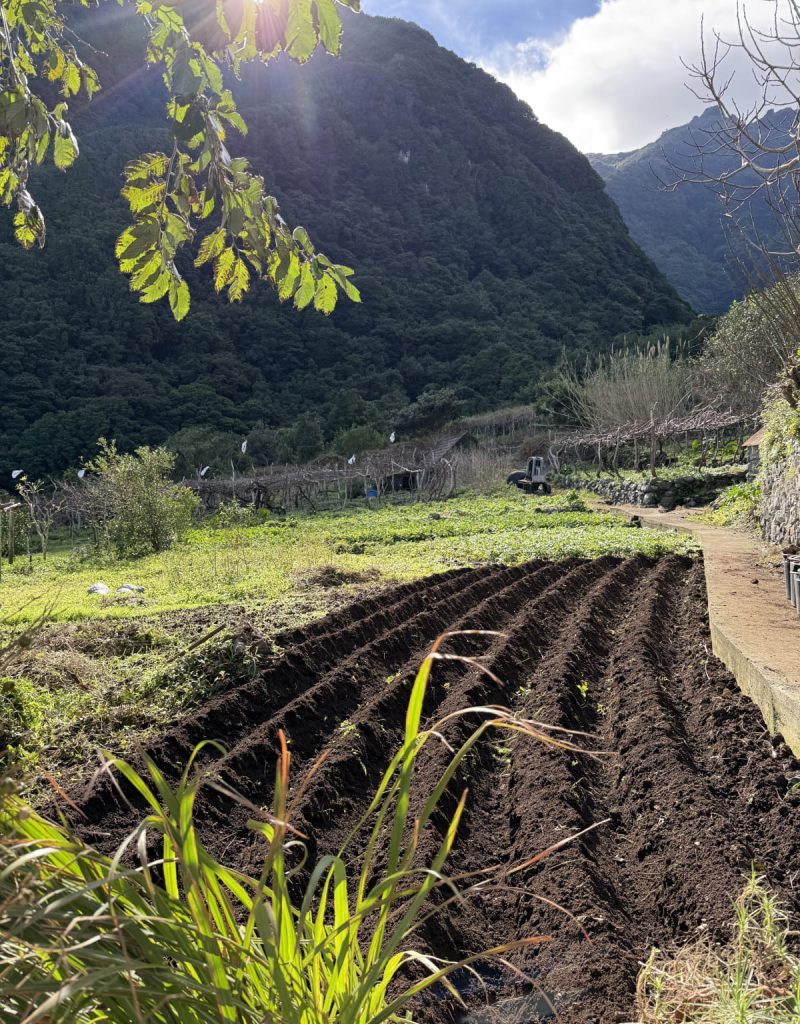
Locals recently planted potatoes in small agricultural plots known as Seixal rural terraces and nearby villages.
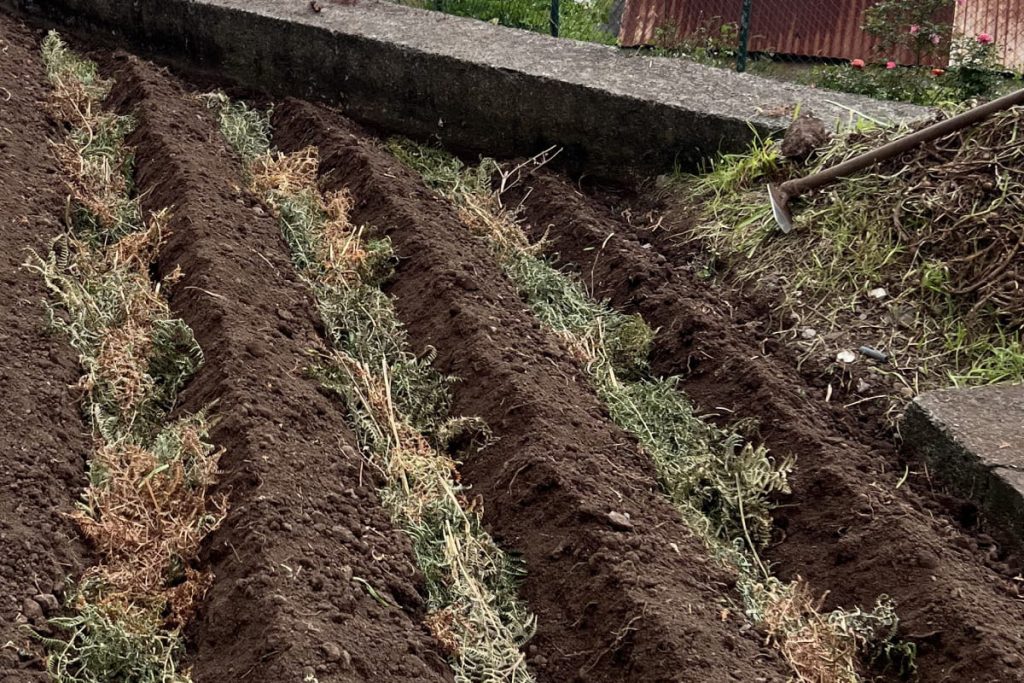
Before planting begins, people prepare the soil using an enchada — a traditional digging tool used to turn the earth by hand.
This is physically demanding work.
Collecting feiteiras
One of the most interesting traditions happens before planting.
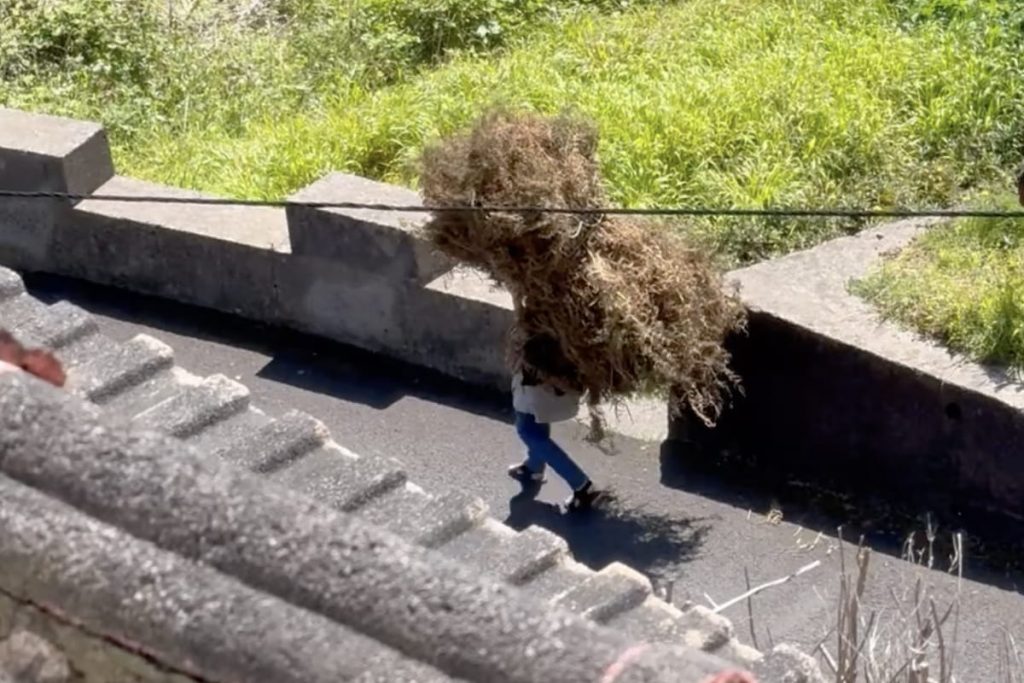
Locals cut and dry feiteiras — native ferns found in the mountains.
These are placed into regos (small trenches dug into the soil).
The ferns help prepare the land naturally.
You’ll often see neighbours carrying huge piles of ferns by foot between villages.
It happens when people have time
This is something many visitors don’t realise.
There is no official farming schedule.
People often do this work:
- after their normal jobs
- on weekends
- when neighbours are available
It’s often a social activity involving friends and family helping each other.
That makes it difficult to “schedule” as a tourist experience — it happens naturally.
Watering using levadas
After planting comes watering.
Locals open small water channels connected to Madeira’s famous Levada system of Madeira.
Water flows into the poios (terraced farming plots).
From there:
- water fills each rego
- people use their feet to block and redirect the water
- the process repeats manually
It’s incredibly labour intensive.
What happens next?
Over the next few months:
- Weeding by hand
- More irrigation
- Spraying sulphate to prevent mould
- Helping crops absorb nutrients
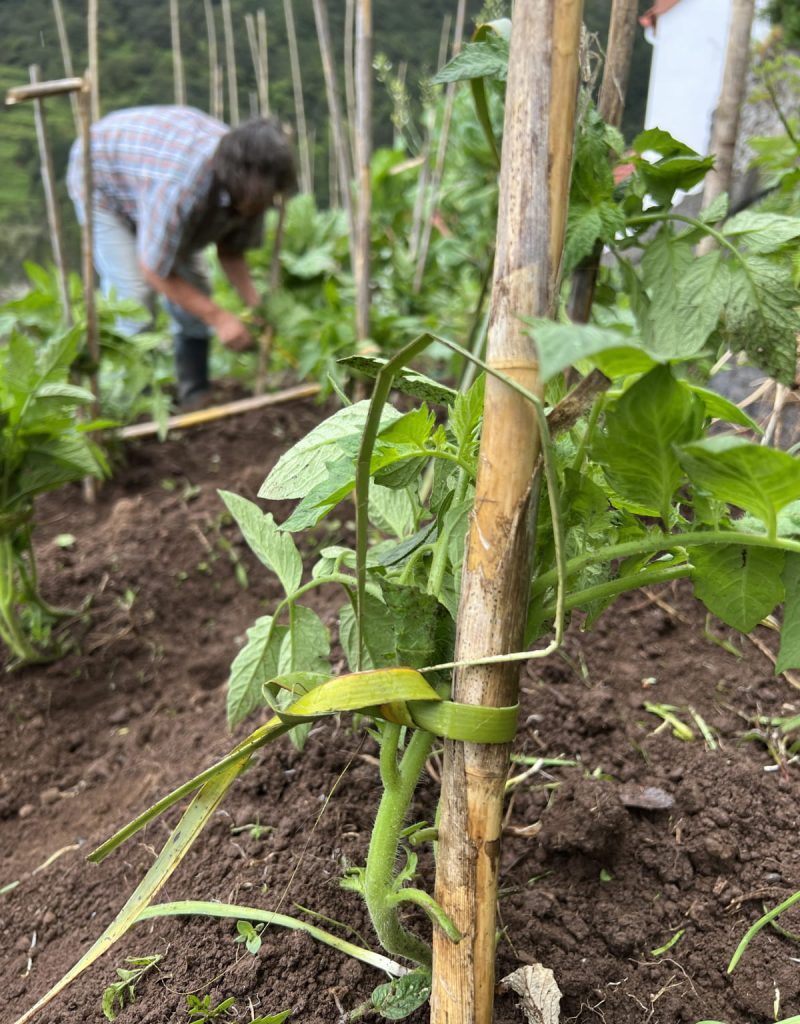
This is often back-breaking manual labour. Corn, tomatoes and cabbage are all also planeted around this time.
Harvest typically happens around July.
Why this matters
The beautiful green landscapes tourists love don’t maintain themselves.
They exist because generations of locals continue doing physically demanding work that many visitors never see.
It’s one of the reasons rural Madeira feels so authentic.
Final thoughts
If you explore north Madeira slowly enough, you’ll notice these daily realities.
And sometimes that offers a deeper experience than simply rushing between viewpoints.
My private tours often adapt around what’s happening locally — because some of the most interesting experiences on Madeira are completely unplanned.
Check routes for availability.